

The era of the Frankenstein user generated content ad is officially over. In the current landscape, audience sophistication has peaked. Users do not just scroll; they filter. They have developed a specific blindness to the salesy mash up style that dominated the early twenties.

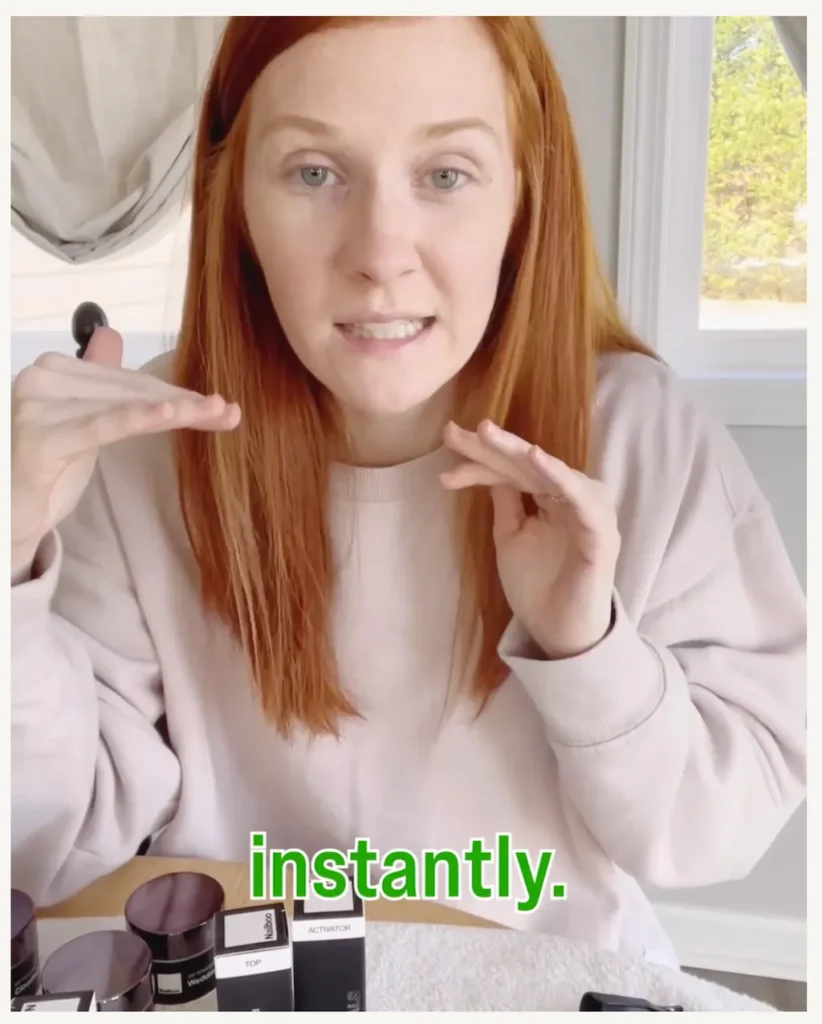
The market is seeing a fundamental restructure of the psychological hook. The pivot is moving away from the mash up and toward a single source micro influencer narrative.
In a market saturated with content, social media users have learned to decode intent instantly. When a user sees a rapid fire edit of different people saying generic hooks, their brain categorizes it immediately as a brand trying to sell them something quickly. It feels impersonal.
In contrast, when the video focuses on one person expressing themselves creatively, the brain categorizes it differently. It sees a creator and a story. By switching from a montage of faces to a single, strong personality, the creative moves the needle from advertising to content. The audience trusts a person they can watch and understand; they do not trust a faceless compilation.
Structure matters, but retention is everything. The pacing has updated to match current dopamine thresholds. The biggest technical shift is in typography. Traditional, static subtitles are being replaced by dynamic style captioning. Text is not just for reading anymore; it is a visual element that dictates pacing. These subtitles keep the eyes moving and the brain engaged, reducing the micro boredom that leads to scrolling away.
The lesson for 2026 is clear. It is no longer about showing social proof through volume. It is about telling a character driven story wrapped in high voltage editing.