
The biggest misconception in the creative industry right now is the idea of a “magic prompt.” People are looking for a secret string of text that will suddenly generate a perfect ad, but that is not how professional results are achieved. In a high-level workflow, AI is simply another layer in the stack, much like a layer in Photoshop. You don’t ask the machine for a finished product; you build the image through controlled, stage-based inputs.
When I needed to scale a winning concept into sixteen different 9×16 static variations, I treated the process like a physical production set. Trying to manage lighting, camera gear, human poses, and brand colors in a single prompt usually leads to a mess. The only way to maintain quality is to isolate the variables.
The technical foundation starts with the optics. I lock in the camera specs first to establish the visual language. I might define the “set” using a Nikon Z8 with a 35mm G Master lens at f/1.8 for a natural lifestyle feel, or perhaps a Canon EOS R5 with an 85mm f/1.2 lens to get that intimate background compression. For commercial shots where every detail needs to be sharp, I shift to a 50mm lens at f/8. By specifying the f-stop, the focal length, and the lighting rig before anything else, I ensure that the depth of field and the shadows remain consistent across the entire batch.
Once the environment is locked, I move to the second layer: human variables. We iterate on poses and expressions one by one. The goal is to hit a specific psychological trigger that stops the scroll. We treat this like directing a model on a real set. Only after the physical structure and the performance are captured do we move to the final generation layer for color grading and specific brand palettes.
Control is the only thing that matters. No single tool is a “silver bullet.” One model might be excellent for skin textures, while another is better at rendering complex product geometry. The AI output is never the end of the road; it is just a raw asset. The real work happens when those images move into Photoshop, Illustrator, or Figma. I work in layers to manually handle typography and branding because AI still cannot manage professional-level kerning or exact graphic placement.
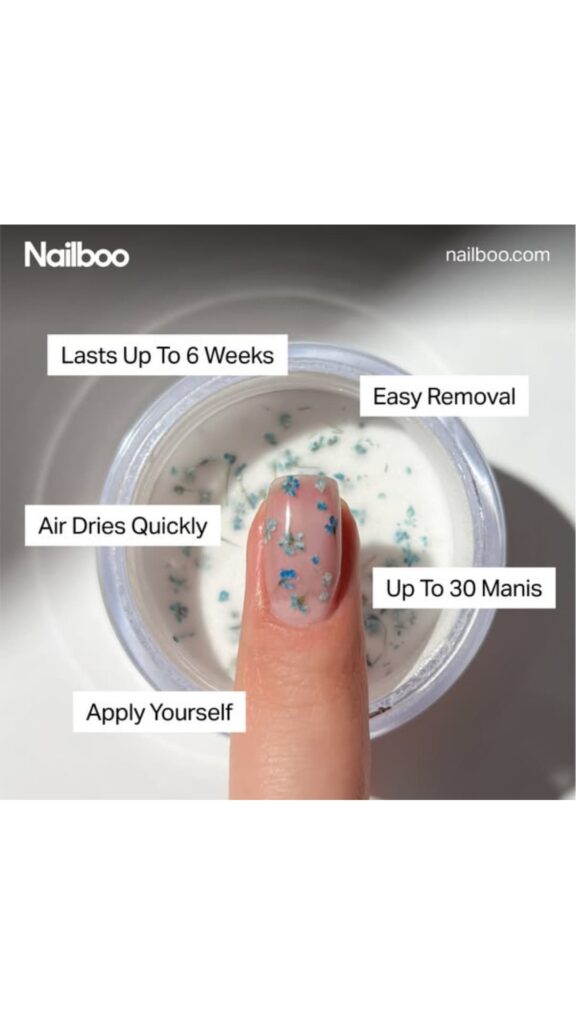

This is where automation becomes a force multiplier. Using n8n, I have learned that the secret is in the automated management of the inputs. By building workflows that control every technical variable before the generation even begins, you ensure a high-standard baseline. If you can’t control the quality of your inputs, you can’t guarantee the quality of your output.
This project was built to solve a real-world problem: de-risking a major shoot. We needed to validate which visual hooks would actually perform before spending a significant budget on a production crew. We pushed these synthetic ads to Meta Ads Manager to find the top performers using live data. The results were clear. By the time we actually went to production to film real video and take final photos, we weren’t guessing. We were recreating a winner that had already proven its value.
In this era, the best creative strategist is the one who understands that the value isn’t in the tool, but in the process used to control it.